Here’s the uncomfortable truth: while you’re reading this, your competitors are studying your listings, tracking your prices, and looking for ways to steal your customers. The question is—are you doing the same to them?
Amazon in 2025 is the most competitive it’s ever been. PPC costs keep climbing, new sellers flood the marketplace daily, and customers have more choices than ever before. Sellers who rely on gut instinct and occasional check-ins on competitors are falling behind those who’ve turned competitive analysis into a systematic practice.
The good news? You don’t need a massive budget or a dedicated analyst team to gather meaningful competitive intelligence. You need the right framework, the right metrics, and the discipline to act on what you learn. This guide breaks down exactly how to analyze your Amazon competitors effectively—and more importantly, how to turn those insights into concrete improvements for your business.
What Competitor Analysis Actually Means (And What It Doesn’t)
Let’s clear up a common misconception. Amazon competitor analysis isn’t about obsessively copying what other sellers do. It’s about understanding the competitive landscape well enough to make smarter decisions about your own products, pricing, content, and advertising.
Think of it as a regular habit of watching the brands fighting for the same clicks as you, noticing what works for them, and using that information to improve your own strategy. The goal isn’t imitation—it’s informed differentiation.
Effective competitor analysis helps you answer critical questions:
- Which keywords are driving traffic and conversions in your category?
- What price points resonate with your target customers?
- What do customers love (and hate) about competing products?
- Where are competitors investing their ad spend?
- What content approaches are converting browsers into buyers?
The competitive intelligence loop is straightforward: identify your true competitors, track relevant metrics systematically, analyze patterns and opportunities, apply insights to your strategy, then monitor results and iterate. Rinse and repeat.
Step 1: Identifying Your Real Competitors
The first mistake most sellers make is defining their competitive set too broadly. Not everyone selling in your category is actually competing for your customers.
Understanding Competitor Types
Direct competitors sell to the same customer avatar, at similar price points, with similar value propositions. These are the brands you actually compete against for sales—and the ones deserving most of your attention.
Indirect competitors operate in adjacent spaces—different price tiers, different customer demographics, different use cases. Monitor them, but don’t optimize against them.
Aspirational benchmarks are category leaders you’re not yet competing with directly but want to emulate. Study them for best practices, not immediate tactics.
Practical Methods for Finding Direct Competitors
Amazon Search Results: Search your primary keywords and note which products consistently appear in the top 10 results. Look for products at similar price points (within 20% of yours), with similar review counts, and consistent presence across multiple relevant keywords.
Brand Analytics Data: If you’re enrolled in Brand Registry, the “Item Comparison and Alternative Purchase Behavior” report reveals which products customers view alongside yours and which they purchase instead. This shows your actual competitive set based on customer behavior, not assumptions.
Sponsored Product Placements: Note which products appear in Sponsored Product positions on your own listings. Amazon’s targeting algorithm identifies them as relevant competitors—trust the algorithm’s judgment here.
Market Basket Analysis: Brand Analytics shows what products customers buy together. Competitors often appear because customers compare before purchasing.
Create a shortlist of 5-10 direct competitors to track systematically. More creates analysis paralysis; fewer misses important intelligence.
Step 2: The Metrics That Actually Matter
With your competitor list established, focus your tracking on metrics that drive actionable insights.
Product Performance Metrics
- Best Sellers Rank (BSR): Track daily or weekly. Rising BSR indicates declining sales; falling BSR shows growth. Tools like Keepa, Helium 10, and Jungle Scout track BSR history.
- Review Count and Velocity: Monitor total reviews and the rate of new reviews. High velocity indicates strong sales and good product-market fit.
- Average Star Rating: A competitor’s rating drop presents opportunity; a rating increase suggests product improvements worth investigating.
- Pricing and Promotions: Track list prices, sale pricing, coupon frequency, and Subscribe & Save offerings.
Keyword and SEO Metrics
- Keyword Rankings: Track where competitors rank for your target keywords using tools like Helium 10 Keyword Tracker or Jungle Scout Keyword Scout.
- Indexed Keywords: Use reverse ASIN lookup tools to identify keywords competitors rank for that you don’t—these represent untapped traffic opportunities.
- Title and Bullet Structure: Analyze keyword placement, benefit vs. feature emphasis, and character utilization.
Advertising Metrics
- Sponsored Product Presence: Track which keywords trigger competitor ads and in what positions.
- Sponsored Brand Campaigns: Monitor creative messaging, brand store links, and product selection.
- Estimated Ad Spend: While exact spend isn’t visible, third-party tools estimate investment based on placement frequency.
Step 3: Essential Tools for Competitive Intelligence
Amazon’s Free Native Tools
Amazon Brand Analytics (available to Brand Registry members) provides Search Terms Reports, Market Basket Analysis, Item Comparison data, and customer demographics. This is goldmine-level data that many sellers underutilize.
Product Opportunity Explorer analyzes Amazon’s internal data about search, purchase, and review patterns—showing search volume, conversion rates, and competitive density for various niches.
Search Query Performance reveals which searches lead to your impressions, clicks, and conversions, plus how you compare to category benchmarks.
Third-Party Platforms
Helium 10 offers Cerebro for reverse ASIN keyword research, Market Tracker for competitor metrics, and comprehensive keyword tracking capabilities.
Jungle Scout provides sales estimates, keyword research, and opportunity identification through its Product Database and Opportunity Finder tools.
Keepa delivers essential price history charts and BSR tracking through its browser extension—particularly valuable for understanding competitor pricing patterns over time.
For budget-conscious sellers, Google Sheets combined with the ImportFromWeb add-on enables automated competitor tracking at minimal cost.
Step 4: Turning Data Into Action
Data without action is just expensive entertainment. Here’s how to translate competitive intelligence into concrete improvements.
Pricing Strategy Adjustments
Create a price positioning map showing competitors’ price points versus perceived value. This reveals price gaps you can exploit, value opportunities where you can deliver more at similar prices, and premium positioning possibilities.
Track competitor pricing over time to identify promotional calendars, price sensitivity patterns, and seasonal cycles. Then set dynamic pricing rules based on competitive position—matching, undercutting, or premium positioning depending on your strategy.
Keyword and Content Optimization
Conduct keyword gap analysis by comparing your indexed keywords against competitors’. Prioritize high-volume, high-relevance keywords where competitors rank but you don’t.
Benchmark your content quality against top performers. Score their images, A+ Content, and product descriptions, then set targets above category averages.
Review Intelligence
Don’t just count competitor reviews—read them. Create a feature satisfaction matrix showing which product features receive high praise (table stakes you must match), frequent complaints (differentiation opportunities), or no mention (features customers don’t care about).
Competitors with declining ratings present market share capture opportunities. Target their weaknesses in your product development and messaging.
Step 5: Building a Sustainable Monitoring System
Competitor analysis isn’t a one-time project—it’s an ongoing practice. Build it into your regular operations:
Daily (5-10 minutes): Price changes, BSR shifts, new reviews, advertising placement changes.
Weekly (30-60 minutes): Keyword ranking changes, review velocity and sentiment, new product launches, promotional activity.
Monthly (2-4 hours): Full competitive landscape review, market share estimation, pricing strategy effectiveness, content performance comparison.
Quarterly (4-8 hours): Competitive position evolution, new competitor entries, market trend identification, strategic repositioning needs.
Use automated alerts for competitor price changes, BSR thresholds, and keyword ranking shifts. Most tools offer these notifications—configure them to reduce manual monitoring burden.
Common Mistakes That Undermine Your Analysis
Copying blindly: What works for their brand, price point, and customer base may not work for yours. Understand why tactics work, then adapt intelligently.
Analysis paralysis: Tracking 50 metrics across 20 competitors creates overwhelming data that prevents action. Focus on 5-10 direct competitors and 10-15 critical metrics.
Ignoring emerging players: Focusing only on category leaders misses fast-growing challengers using innovative tactics.
Forgetting your unique value: Obsessing over competitors can cause you to lose sight of your own brand identity. Use competitive intelligence to inform strategy, but stay true to your positioning.
The Pricing Piece: Where Speed Wins
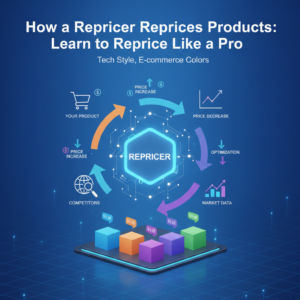
Among all the competitive metrics you’ll track, pricing requires the most immediate and continuous attention. Competitor prices shift constantly—sometimes multiple times per day. Manual monitoring simply can’t keep pace, and delayed responses mean lost Buy Box ownership and missed sales.
This is where automated repricing becomes essential. Zupricer monitors competitor pricing in real-time and adjusts your prices automatically based on rules you define. Whether you want to match the lowest competitor, maintain a specific margin above or below key rivals, or implement sophisticated pricing strategies based on competitive position, Zupricer handles the execution while you focus on higher-level strategy. In a marketplace where pricing agility separates winners from losers, automated repricing isn’t a luxury—it’s competitive necessity.