If you’re reading this in late April 2025, you’re sitting at a critical inflection point. Prime Day is roughly 10-12 weeks away. The Back-to-School deal sourcing window just opened. And Q4—the season that generates 30-40% of annual revenue for many sellers—requires inventory orders placed within the next 60-90 days.
Miss these windows, and you’ll spend the rest of the year watching competitors capture market share you could have owned.
Here’s what makes seasonal selling so powerful: the algorithmic rewards compound. Strong sales during Prime Day or Black Friday don’t just generate immediate revenue—they significantly boost your organic ranking, which sustains elevated sales for months afterward. Amazon’s algorithm rewards products that sell well, creating a flywheel effect that separates prepared sellers from everyone else.
This guide breaks down exactly how to capitalize on every major seasonal opportunity in 2025, starting with what you should be doing right now.
Understanding Amazon’s 2025 Seasonal Calendar
Amazon’s peak season extends far beyond Q4. High-traffic shopping periods occur throughout the year, and sellers who treat each as a discrete opportunity leave substantial money on the table.
The major events you need to plan for:
- Prime Day (Mid-July): Amazon’s signature shopping event, historically generating over 300 million products sold
- Back-to-School (July-September): Peak shopping from late July through the first week of school
- Black Friday/Cyber Monday (Late November): The highest-traffic days of the year for most categories
- Holiday Shopping Rush (December): Gift-buying frenzy with premium on fast delivery
- Post-Holiday (January): Gift card redemptions and New Year’s resolution purchases
Don’t overlook smaller events either: Valentine’s Day, Mother’s Day, Father’s Day, and Halloween each drive significant category-specific traffic. The sellers who dominate treat the entire year as a series of seasonal opportunities rather than waiting for Q4.
Prime Day 2025: Your Preparation Timeline Starts Now
As of late April, you’re in the early preparation phase for Prime Day. Amazon’s Prime Day Readiness Guide emphasizes one thing above all else: early action wins. Here’s your timeline:
April-May (Right Now):
- Analyze your previous Prime Day performance data
- Identify product opportunities using Brand Analytics
- Begin supplier communication for inventory planning
- Allocate promotional and advertising budgets
June 1-15:
- Finalize inventory orders and confirm stock levels
- Optimize listings with Prime Day-specific keywords
- Submit Lightning Deals (slots fill quickly—don’t wait)
- Build out dedicated PPC campaign structures
June 15-30:
- Ship inventory to arrive at fulfillment centers 2-3 weeks before the event
- Launch optimized listings and activate campaigns
- Conduct final quality assurance checks
The single biggest Prime Day mistake? Waiting until June to start preparing. By then, supplier lead times make adequate inventory impossible, Lightning Deal slots are gone, and you’re scrambling while competitors execute plans they made months earlier.
Inventory Strategy: The Make-or-Break Factor
Stockouts during seasonal events are catastrophic. They don’t just cost you immediate sales—they damage your algorithmic ranking for weeks after you restock. Amazon’s system interprets stockouts as unreliability, penalizing your visibility precisely when you need it most.
Inventory planning principles that protect your seasonal performance:
- Use historical data: Review previous event sales velocity, analyze year-over-year growth trends, and add 20-30% buffer for unexpected demand
- Coordinate early: Place orders 90-120 days before major events—for Prime Day, that means orders should be finalized by now
- Account for FBA delays: Receiving times stretch to 1-2 weeks during peak periods; ship early to avoid inventory sitting in transit during the event
- Prioritize strategically: Focus inventory investment on proven best-sellers with strong review counts rather than spreading thin across your entire catalog
Here’s a counterintuitive truth: it’s better to have 10% excess inventory than a 1% shortage during peak events. The revenue and ranking damage from stockouts far exceeds the cost of slightly over-ordering.
Listing Optimization for Seasonal Search Behavior
Static listings underperform during seasonal events. Consumer search behavior changes dramatically—people search for “Prime Day deals” and “back to school supplies” rather than generic product terms. Your listings must evolve to capture this intent.
Seasonal listing optimization checklist:
- Title updates: Incorporate event-specific keywords naturally while maintaining clarity
- Image refresh: Add lifestyle photography relevant to the season (school settings for BTS, gift-giving scenarios for holidays)
- Bullet point adjustments: Lead with seasonal value propositions and emphasize deal savings
- A+ Content: Use enhanced brand content to tell seasonal stories and showcase gift-worthiness
- Review management: Products below 3.5 stars need attention before major events—focus on customer satisfaction improvement now
Video content has become increasingly critical in 2025. If you’re not using product videos, you’re leaving conversion rate improvements on the table during the highest-traffic periods of the year.
PPC Strategy: Outsmart the Competition During Peak Traffic
Advertising during seasonal events requires a completely different approach than your everyday campaigns. Competition intensifies, but so do conversion rates—making this the highest-ROI advertising period of the year if you execute correctly.
Seasonal PPC tactics that deliver results:
- Separate campaigns: Create dedicated Prime Day or holiday campaigns rather than adjusting evergreen campaigns
- Budget increases: Plan for 200-300% higher spend during major events—this isn’t the time for conservative budgets
- Keyword targeting: Bid on event-specific terms (“Prime Day deals + [category]”) and competitor brand names
- Dayparting: Concentrate spend during peak traffic hours rather than spreading budget evenly across 24 hours
- Real-time management: Monitor hourly during events, reallocating budget from underperformers to winners
Critical insight: measure TACoS (Total Advertising Cost of Sale), not just ACoS. Your goal during seasonal events is using paid traffic to boost organic ranking—the long-term benefit of improved visibility often justifies temporarily higher advertising costs.
Don’t forget post-event retargeting. Brands running retargeting campaigns after Prime Day see sustained boosts in branded search volume for 2-4 weeks. The event ends, but the opportunity continues.
Q4 Planning: Start Now or Regret It Later
Q4 represents Amazon’s Super Bowl—October through December accounts for 30-40% of annual revenue for many sellers. But here’s what catches people off guard: successful Q4 execution requires action starting in summer.
Q4 preparation timeline:
- June-July: Place inventory orders for Q4 (120-150 day lead time for November arrival)
- September 1: Q4 preparation officially begins—finalize listings, plan promotional calendar
- September-October: Create holiday-specific listing variations, expand customer service capacity
- November-December: Execute, monitor inventory daily, maximize advertising during peak traffic
The sellers who dominate Black Friday and Cyber Monday aren’t scrambling in November. They placed inventory orders in July, submitted Lightning Deals in September, and built advertising campaigns in October. By the time the events arrive, they’re simply executing plans made months earlier.
Pricing Strategy: Balance Deal Perception with Profitability
Seasonal pricing requires nuance. Customers expect deals during major events, but “deal” doesn’t necessarily mean “lowest price.” Research consistently shows that 15-25% discounts often perform as well as deeper cuts—the perception of value matters more than rock-bottom pricing.
Smart seasonal pricing approaches:
- Pre-event positioning: Consider slight price increases 2-3 weeks before events to create stronger discount perception
- Tiered discounts: Standard discount for event duration, enhanced discount for Lightning Deal slots
- Bundle strategy: Increase average order value by bundling complementary products rather than discounting individual items
- Post-event recovery: Gradually return to regular pricing over 1-2 weeks rather than immediate jumps
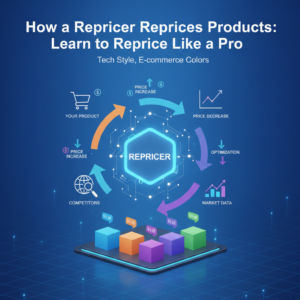
Manual repricing during seasonal events is essentially impossible. Competition moves too fast, and the difference between winning and losing the Buy Box can change minute by minute. The dynamic nature of seasonal competition makes pricing automation essential rather than optional.
The Mistakes That Destroy Seasonal Performance
Understanding what NOT to do is equally important:
- Late preparation: Waiting until weeks before an event guarantees underperformance against competitors who started months earlier
- Conservative inventory: Stockouts during peak events damage rankings for weeks—err on the side of over-ordering
- Static listings: Generic product pages fail to capture seasonal search intent
- Underspending on ads: Seasonal events offer the highest advertising ROI of the year—cutting budgets is counterproductive
- Ignoring post-event windows: The weeks following major events present critical opportunities most sellers miss
- Neglecting customer service scaling: Traffic surges create inquiry surges; inadequate response capacity damages metrics
Turn Seasonal Opportunities into Year-Round Success
Seasonal sales strategies represent the highest-leverage opportunities available to Amazon sellers in 2025. The compounding effect of strong event performance—immediate revenue plus sustained ranking improvements—makes proper preparation one of the best investments you can make in your business.
But execution requires getting multiple elements right simultaneously: inventory timing, listing optimization, advertising strategy, and perhaps most critically, pricing that balances deal perception with profitability.
This is where most sellers struggle. Manual repricing can’t keep pace with the minute-by-minute competition during Prime Day or Black Friday. Static prices leave money on the table. And without real-time optimization, you’re either sacrificing margin unnecessarily or losing the Buy Box to faster-moving competitors.
Zupricer solves this exact challenge. Our intelligent repricing platform automates the dynamic pricing adjustments that seasonal success demands—helping you win the Buy Box during peak traffic while protecting the margins that make events profitable. You set your floor prices and profit targets; Zupricer handles the real-time optimization that manual processes simply can’t match. When seasonal traffic surges, your pricing strategy should surge with it.