Nobody likes admitting their competitors might be winning. It’s uncomfortable, humbling, and frankly annoying. But here’s the thing—while you’re avoiding that uncomfortable truth, your competitors are taking your customers, your market share, and your revenue.
In 2025, the e-commerce marketplace has become brutally competitive. New sellers appear daily, customer expectations keep rising, and the businesses that thrive are the ones willing to look honestly at what competitors do better and respond strategically. The ones that fail? They’re usually too proud to admit they have gaps worth addressing.
This isn’t about copying your competition or feeling inadequate. It’s about clear-eyed assessment that informs smarter decisions. Because understanding where competitors outperform you is the first step toward either closing those gaps or finding different paths to win.
Let’s examine the eight areas where your competitors are most likely beating you—and what you can do about it.
Customer Experience: They’re Making It Effortless
Your competitors might simply be easier to do business with. In 2025, customer expectations for service have reached unprecedented levels, and the gap between leaders and laggards is widening.
Where they’re likely winning:
- Response speed: While you’re taking hours to respond to inquiries, competitors using AI-powered chatbots and optimized workflows answer in minutes
- Multichannel accessibility: They offer seamless support across chat, email, phone, and social media—customers never have to repeat themselves
- Proactive problem-solving: They identify issues (delayed shipments, quality concerns) before customers notice and reach out first
- Frictionless returns: Hassle-free return policies and instant refunds build trust that converts hesitant browsers into confident buyers
How to Assess Your Gap
Mystery shop your competitors. Purchase from them and document every interaction. Time their response rates, evaluate communication quality, and compare to your own performance. Study their reviews for service-related mentions—consistent praise indicates a real advantage you need to address.
Technology Integration: They’re Working Smarter
Technology has become one of the most significant competitive differentiators in 2025. Companies integrating AI and automation into their operations are experiencing clear advantages that manual processes simply can’t match.
The technology advantages they might have:
- AI-powered personalization: Product recommendations, content, and offers tailored to individual customers drive higher conversion rates and order values
- Automation efficiency: Automated inventory management, customer service, and order processing mean lower costs and fewer errors
- Predictive analytics: They forecast demand, optimize pricing, and predict customer churn before problems become obvious
- Superior site performance: Faster load times and fewer outages directly impact conversion rates—customers notice
Test your site speed against competitors using tools like Google PageSpeed Insights. Document technology-enabled features they offer that you don’t. If customers consistently experience smoother, faster, more personalized interactions elsewhere, technology represents a gap worth closing.
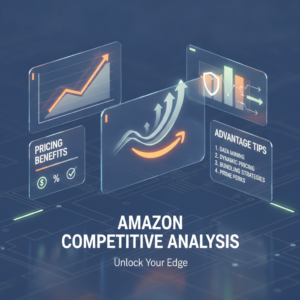
Pricing Strategy: They’ve Mastered the Numbers Game
Price isn’t just a number—it’s a strategic signal. Your competitors may be outmaneuvering you through sophisticated pricing approaches you haven’t adopted.
Pricing advantages to watch for:
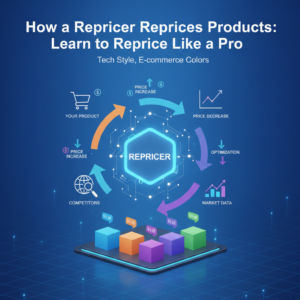
- Dynamic repricing:Dynamic repricing adjusts prices in real-time based on demand, competition, and inventory while you update manually (and infrequently)
- Value bundling: Compelling bundles deliver perceived value exceeding individual product prices
- Psychological pricing mastery: They understand charm pricing, decoy pricing, and anchoring techniques that influence purchase decisions
- Segmented strategies: Different prices for different customer segments maximize revenue from each group
The Premium Pricing Advantage
If competitors command higher prices without losing market share, they’ve established value justification you haven’t. They might have advantages in brand perception, product quality, customer service, or unique features that let them charge more while you compete on price.
Map your prices against direct competitors. Ask yourself: does your pricing align with your intended market position? If competitors maintain higher prices and still win, understand why before racing to the bottom.
Marketing Effectiveness: They’re Getting Found First
Your competitors might simply be better at getting in front of customers. In e-commerce, visibility determines viability.
Where they’re winning the marketing battle:
- SEO dominance: Higher rankings for valuable keywords capture organic traffic you’re missing—the difference between position 1 and position 5 dramatically impacts revenue
- Content sophistication: Valuable guides, videos, and tools attract customers early in the buying journey, building trust before purchase consideration
- Social engagement: Active, engaged communities provide organic reach and social proof that paid advertising can’t replicate
- Advertising efficiency: Better creative, targeting, and optimization deliver higher ROI from the same ad spend
Use tools like SimilarWeb, SEMrush, or Ahrefs to compare traffic sources, volume, and keywords. If competitors consistently outrank you, attract more traffic, or achieve better engagement, marketing represents a critical gap.
Operations and Logistics: They Deliver Better
Sometimes competitors simply get products to customers faster, cheaper, or more reliably. Operational excellence creates advantages that compound over time.
Operational advantages to evaluate:
- Faster fulfillment: Same-day or next-day delivery captures time-sensitive customers and reduces cart abandonment
- Lower shipping costs: Free shipping thresholds that you can’t match improve their conversion rates
- Better inventory management: They’re in stock when you’re not, capturing sales you lose
- Superior returns process: Easy returns reduce perceived purchase risk and increase conversion
Order from competitors and track actual delivery times. Monitor their stock levels on popular items. If they consistently deliver faster, ship cheaper, or maintain better availability, they have operational efficiencies worth understanding.
Product Quality and Innovation: They’re Simply Better
Sometimes the uncomfortable truth is that competitors offer superior products. This manifests in several ways:
- Higher quality materials or construction: Products that last longer or perform better justify higher prices and generate better reviews
- Better design: Products easier to use or more attractive win regardless of price parity
- Faster innovation: Competitors bringing new products to market faster capture emerging trends first
- Broader selection: More options in sizes, colors, or configurations serve more customer preferences
Purchase competitor products and objectively compare materials, construction, features, and packaging. Study their reviews for quality mentions. If customers consistently praise competitor products while complaining about yours, product improvement must become a priority.
Data Utilization: They Know Their Customers Better
Businesses that effectively capture, analyze, and act on customer data possess significant competitive advantages in 2025:
- Better segmentation: They target messaging and offers with precision you can’t match
- Predictive insights: They identify customers likely to churn or upsell before it’s obvious
- Personalization at scale: Individualized experiences for thousands of customers simultaneously
- Optimized funnels: Rigorous testing and data-driven optimization achieve higher conversion from the same traffic
Experience competitor personalization as a customer. How tailored are their recommendations compared to yours? Competitors with rigorous testing cultures continuously improve while others remain static.
Common Questions Sellers Ask About Outperforming Competitors
Before moving into the strategic response framework, it’s worth pausing on the questions sellers actually type into a search bar when they’re staring at a competitor’s storefront wondering what’s going on. These questions tend to cluster around a handful of recurring themes.
What Is Your Competition Doing That You’re Not?
When sellers ask what is your competition doing or what is your competition more broadly, they’re usually looking for a starting checklist rather than a philosophy lesson. The honest answer: start with the eight areas covered above—customer experience, technology, pricing, marketing, operations, product quality, and data utilization—and audit each one against your top two or three direct rivals. If you’re wondering who are your top 2–3 competitors, and what do they do better than you right now, write the names down and score each area from 1 to 5 before doing anything else. Vague impressions lead to vague strategy; specific scores lead to a specific action plan.
What Are Competitors Doing Well, and Where Does Marketing Fit In?
Sellers asking what are competitors doing well in business or more narrowly what are competitors doing better in marketing are usually noticing a symptom—lost traffic, lower rankings, fewer social mentions—without yet diagnosing the cause. If you’re specifically asking why competitors are outranking me, the answer is almost always some combination of content depth, backlink authority, and page speed, not luck. And if the question is closer to what are competitors doing well today, remember that “today” matters—competitive advantages shift quarter to quarter, so this audit isn’t a one-time exercise.
How Do I Actually Beat Competitors and Catch Up?
This is where intent shifts from diagnosis to action. Sellers searching outperform your competitors, outperform your competition, outperforming your competitors, beat competitors, or beat competitors online are ready to move, not just observe. If your specific pain point is that a competitor has more reviews than me how to catch up, focus on review velocity tactics—proactive post-purchase follow-up, exceptional unboxing experiences, and fast issue resolution—rather than trying to shortcut the process artificially. The question what are my competitors doing better than me? deserves an honest, itemized answer before you spend a dollar trying to fix it.
What Makes You Different, and How Do You Compare on Price?
Two closely related questions deserve separate answers. What sets us apart from our competitors and what makes you different from your competitors are about differentiation—the value story only you can tell. But how does my price compare to my competitor is a pure numbers question, and it’s the one area where guessing is least forgivable, because prices are public and change constantly. If you’re up against a good competitor or a genuinely better competitor on price alone, static pricing loses that fight every time. This is exactly the kind of gap Zupricer was built to close—monitoring competitor pricing continuously so you’re never the last to know your price fell out of the competitive range.
The Strategic Response: Match or Differentiate?
Not every competitor advantage requires the same response. You must match advantages when they represent baseline expectations—if all competitors offer certain features or service levels, these are table stakes, not differentiators. Fall short and you’re simply not competitive.
However, you should differentiate instead when matching isn’t economically viable. Some advantages (scale, vertical integration, legacy investments) can’t be replicated cost-effectively. Instead of fighting battles you’ll lose, maximize advantages in areas where you naturally excel.
The prioritization framework:
- Customer impact: How much does this advantage influence purchase decisions?
- Gap size: How far ahead are they?
- Feasibility: Can you realistically match or exceed?
- Strategic importance: How central is this to your positioning?
Focus resources on high-impact advantages you can feasibly address. Accept acceptable performance in areas where differentiation serves you better than direct competition.
Turning Competitive Intelligence Into Competitive Advantage
Understanding what competitors do better isn’t about inducing anxiety or promoting blind imitation. It’s about clear-eyed assessment that enables informed strategic choices about where to invest, what to improve, and how to differentiate sustainably.
The businesses winning in 2025 maintain ongoing awareness of competitor advantages, systematically assess gaps, and respond strategically rather than emotionally. They know they can’t be superior at everything—but they’re demonstrably better at what their customers value most.
Among all competitive dimensions, pricing requires the most immediate and continuous attention. Competitor prices shift constantly, and delayed responses mean lost sales and margin erosion. This is precisely where Zupricer transforms competitive disadvantage into advantage. By monitoring competitor pricing in real-time and adjusting your prices automatically based on rules you define, Zupricer ensures you’re never caught flat-footed by competitor pricing moves. While competitors might beat you in other areas, automated repricing ensures pricing strategy becomes one advantage they can’t easily claim. In the competitive reality of 2025, that edge makes all the difference.