Automated Pricing Software: Data Science Price Optimization
If you’re selling on Amazon in 2026, you already know the marketplace moves fast. Like, really fast. Prices shift dozens of times a day, competitors undercut you before your morning coffee kicks in, and the Buy Box feels like a moving target. That’s exactly why more sellers are turning to an automated pricing system to stay ahead of the curve and protect their margins at the same time.
Gone are the days when you could manually tweak prices every few hours and expect solid results. Today’s Amazon marketplace demands smarter tools, sharper strategies, and data-backed decisions. Let’s dig into what this all means for your business and why it’s one of the most exciting shifts happening in e-commerce right now.
Automated Pricing Software and Data Science Price Optimization Explained
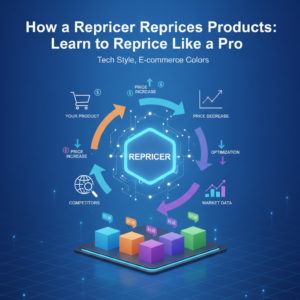
At its core, automated pricing software does exactly what it sounds like — it automates the process of adjusting your product prices based on real-time market signals. But the modern versions of these tools go far beyond simple rule-based triggers. They’re powered by machine learning models and data science price optimization frameworks that analyze competitor behavior, demand patterns, Buy Box dynamics, and profit thresholds simultaneously.
Think of it this way: instead of you guessing what price wins the Buy Box today, the software calculates it using thousands of data points per minute. That’s a game-changer. A seller repricer like Zupricer doesn’t just chase the lowest price — it finds the sweet spot where you win visibility without hemorrhaging profit.
How Data-Driven Repricing Actually Works
The magic behind Amazon price optimization strategies lies in how the data is processed and applied. Modern repricing engines continuously monitor several variables at once — things like competitor stock levels, fulfillment methods, seller ratings, and historical price trends. When these signals change, the system adapts your pricing in real time without any human intervention needed.
Here’s a quick breakdown of what a high-performing repricing engine typically evaluates:
- Competitor price changes across FBA and FBM listings
- Buy Box ownership status and eligibility conditions
- Your minimum and maximum profit guardrails
- Demand spikes and seasonal pricing patterns
- Shipping cost differentials between fulfillment types
- Seller rating and feedback score comparisons
This layered approach is what separates a basic repre tool from a genuinely intelligent repricing platform. Zupricer, for example, combines Buy Box intelligence with a scenario-based strategy engine so you can set up different repricing rules for different catalog segments — promotional periods, clearance items, high-margin SKUs, and more.
| Repricing Approach | Manual Pricing | Automated Pricing Software |
|---|---|---|
| Speed of adjustment | Hours or days | Seconds to minutes |
| Data points analyzed | Limited (human capacity) | Thousands per minute |
| Buy Box win rate | Inconsistent | Significantly improved |
| Profit protection | Prone to mistakes | Guardrails enforced automatically |
| Scalability | Low | Scales across full catalog |
Why the Buy Box Is Everything in 2026
Amazon’s Buy Box continues to account for the vast majority of purchases on the platform. If you’re not winning it, you’re basically invisible to the average shopper. The algorithm that determines Buy Box eligibility considers price, but it also weighs fulfillment reliability, shipping speed, seller performance, and inventory depth. An amazon repricer uk that understands all these variables — not just price — is what gives serious sellers a real competitive edge.
Zupricer is built specifically for Amazon sellers navigating this exact challenge. It works seamlessly for both FBA and FBM setups, and it continuously monitors competitor prices alongside Buy Box status to make smart, profit-aware adjustments around the clock. With a Trustpilot and Capterra rating of 4.9/5, sellers clearly notice the difference.
Frequently Asked Questions About Automated Pricing
Is automated repricing safe for my profit margins?
Absolutely. The best tools come with configurable minimum price floors that prevent your listings from ever dropping below a profitable threshold. You’re always in control of the boundaries — the software just operates within them efficiently.
Does automated pricing work for both FBA and FBM sellers?
Yes, and it should. Platforms like Zupricer are built to handle both fulfillment models, factoring in the different cost structures and Buy Box weight each method carries.
How quickly does repricing take effect?
In most cases, adjustments happen within seconds to a few minutes of a competitor’s price change. That real-time responsiveness is exactly why manual pricing simply can’t keep up in 2026’s marketplace pace.
Choosing the Right Repricing Tool for Your Catalog
Setting Up Your First Automated Pricing Rules: A Step-by-Step Walkthrough
If you’ve never configured automated pricing software before, the process might feel intimidating. But once you understand the workflow, it’s surprisingly straightforward. Whether you’re using Amazon’s native Automate Pricing tool or a third-party platform like Zupricer, the setup follows a consistent pattern that takes about 15–20 minutes for your first rule.
Here’s the typical configuration sequence you’ll follow:
- Navigate to your pricing dashboard — In Seller Central, go to Pricing → Automate Pricing from the top menu. For third-party tools, look for a Repricing or Strategy tab.
- Select your marketplace — Always choose the specific marketplace (US, UK, DE, etc.) before creating rules, since pricing strategies often differ by region.
- Choose or create a pricing rule — You can start with pre-defined templates like “Competitive Featured Offer” or build a custom rule from scratch. Name it descriptively (e.g., “US-FBA-HighMargin-Q1-2026”) so you can track performance later.
- Define your rule parameters — Set how your price relates to competitor prices (match, undercut by $0.50, stay within top 5, etc.), and add any conditions like seller rating filters or fulfillment method requirements.
- Add SKUs and set profit guardrails — Select products individually or upload a bulk file. This is where you’ll configure your minimum and maximum price limits for each SKU — more on this critical step below.
- Review and activate — Double-check your marketplace, SKU count, and price floors before clicking “Start repricing.” New rules can take up to one hour to fully process across all assigned products.
The entire setup is designed to be repeatable. Once you’ve built one solid rule, you can clone it and adjust parameters for different product segments in minutes.
How to Calculate Profit Floors That Actually Protect Your Margins
Setting your minimum price floor is the single most important guardrail in any automated pricing optimization strategy. Set it too high, and you’ll never win the Buy Box. Set it too low, and one repricing error can wipe out a week’s worth of profit. The formula that works consistently across industries is a cost-plus margin calculation:
Minimum Price = Total Landed Cost ÷ (1 − Target Margin %)
Let’s walk through a real example. Say you’re selling a kitchen gadget with these costs:
- Fixed per-unit costs (product + inbound shipping): $18.00
- Variable Amazon fees (referral + FBA): 15% of sale price
- Target profit margin: 20%
Your calculation would be: $18 ÷ (1 − 0.15 − 0.20) = $18 ÷ 0.65 = $27.69 minimum price. Anything below that, and you’re either breaking even or losing money on every sale. This floor becomes your non-negotiable boundary in your repricing rules.
For maximum price ceilings, the logic is different. You’re setting the highest amount customers will tolerate before conversion rates tank. For commodity products, that’s typically 15–30% above your target price. For unique or branded items, you have more flexibility. The key is testing and monitoring — if your conversion rate drops sharply above a certain price point, that’s your natural ceiling.
Common Mistakes Sellers Make When Starting Automated Repricing
Even experienced sellers stumble when they first automate their pricing. Here are the mistakes that cost the most money and how to avoid them:
Using the same rule across every product. Your bestsellers, clearance items, and high-margin exclusives don’t perform the same role in your catalog, so they shouldn’t follow identical pricing logic. Create separate rules for different product tiers — one for volume drivers where you’ll accept thinner margins, another for profit maximizers where you protect margin over velocity.
Forgetting to update floors when Amazon changes FBA fees. Amazon adjusts fulfillment fees every January. If you don’t recalculate your cost floor and update your minimum prices, products you thought were profitable might already be losing money. Set a calendar reminder to review and adjust all your pricing floors in early January each year.
Setting it and forgetting it. Automated doesn’t mean hands-off forever. Market conditions shift, competitors enter and exit, and seasonal demand patterns change your optimal pricing strategy. Review your repricing performance weekly for the first month, then at least monthly after that. Look at Buy Box win rate, total sales, and profit per unit to spot when a rule needs adjustment.
No maximum price guardrail. When competitors sell out, some repricing tools will keep raising your price until they hit absurd levels like $99.99 for a $15 item. Then when stock returns and prices normalize, you’re stuck with terrible seller metrics from the customers who bought at the inflated price. Always set a reasonable maximum to prevent runaway pricing.
Pricing Scenarios: How to Configure Rules for Different Product Types
The beauty of modern repricing platforms is you can run multiple strategies simultaneously across different catalog segments. Here’s how to think about two common scenarios:
Clearance/Liquidation Strategy: Your goal is moving aged inventory fast, even at minimal or zero profit. Configure a rule that undercuts the lowest competitor by 10% or stays within the bottom five prices. Set your floor at true cost (no margin) for severely aged stock. This maximizes velocity and recovers cash flow, which matters more than profit when you’re clearing seasonal items or overstock.
High-Margin Optimization Strategy: For exclusive products, branded items, or anything with low price sensitivity, protect your margin aggressively. Set a minimum floor at 35–40% margin and only lower your price if it keeps you above that threshold. If the lowest competitor drops below your floor, you stay above it and accept lower sales volume in exchange for higher profit per unit. This works beautifully for products where customers care more about availability, quality, or brand than getting the absolute lowest price.
The sellers who scale profitably in 2026 aren’t just automating — they’re automating intelligently, with clear strategies for each product role in their catalog.
Not all repricing platforms are created equal. Some are glorified spreadsheet automators. Others, like Zupricer, are full-blown intelligent repricing ecosystems built around scenario-based strategies and profit-first logic. When evaluating your options, consider how many SKUs you manage, whether you sell across multiple regions, and how much control you want over strategy customization.
| Feature | Basic Repricers | Zupricer |
|---|---|---|
| Buy Box intelligence | Limited | Full integration |
| Profit guardrails | Basic min/max | Advanced profit protection rules |
| Strategy engine | Rule-only | Scenario-based strategies |
| Free trial | Varies | 14-day, no credit card needed |
| Seller reviews | Mixed | 4.9/5 on Trustpilot and Capterra |
The sellers who are scaling aggressively in 2026 aren’t doing it by working harder — they’re doing it by deploying smarter tools. A high-quality seller repricer that’s built on real data science logic isn’t a luxury anymore; it’s a competitive necessity.
Ready to Let the Data Do the Heavy Lifting?
If you’re serious about growing your Amazon business without burning out on manual pricing adjustments, Zupricer is worth exploring. The platform is designed from the ground up for sellers who want Buy Box wins without sacrificing margin. Try it free for 14 days — no credit card required. Head over to https://app.zupricer.com/signup and see what smart repricing actually feels like when it’s working for you 24/7.